
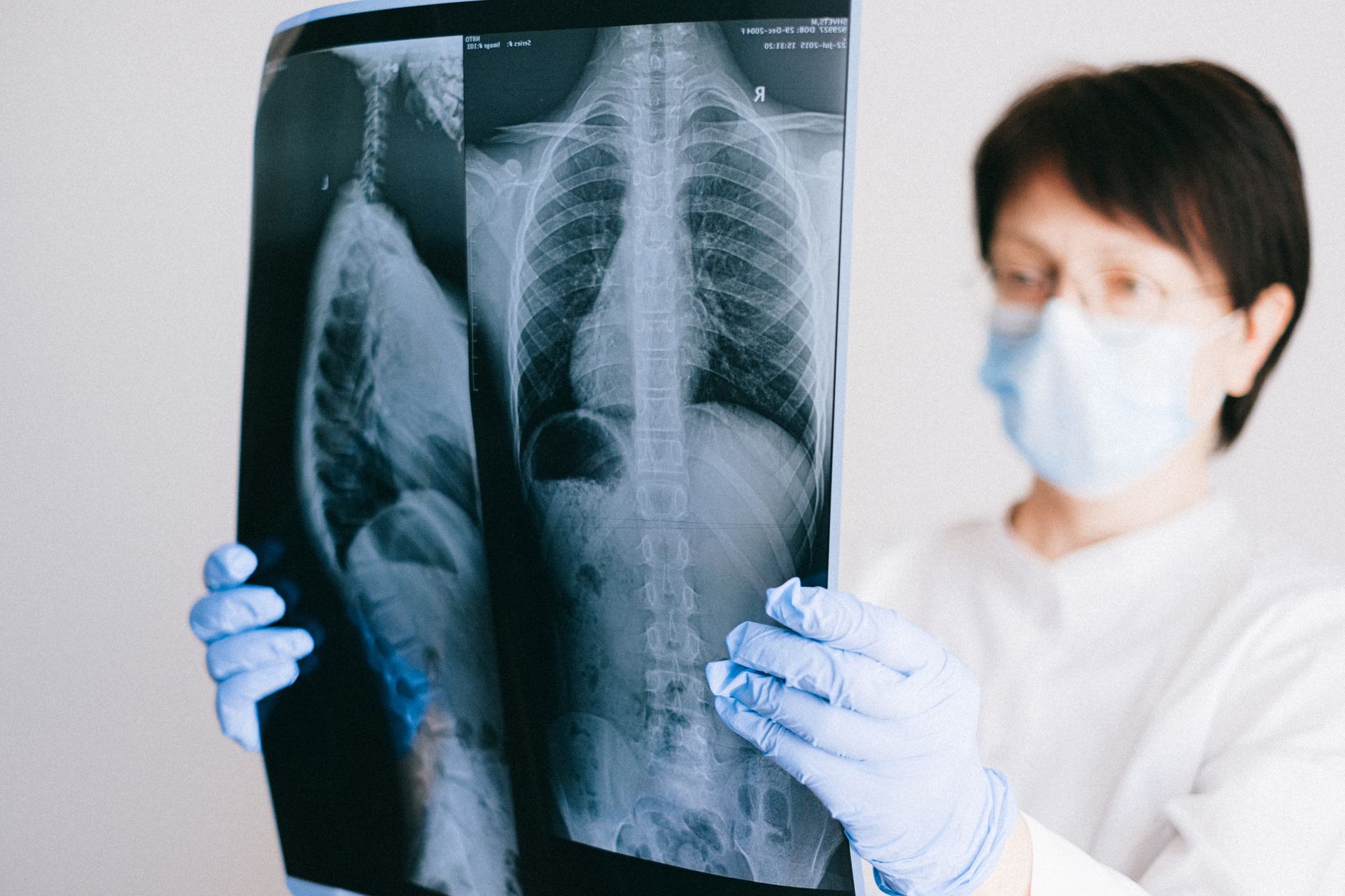
Multicancer Detection is revolutionizing health screenings with whole-body MRI technology. This study highlights its effectiveness in identifying multiple cancers early in a preventive health population.
Understanding Multicancer Detection
Multicancer detection has emerged as a significant advancement in the field of oncology, particularly with the advent of whole-body MRI technology. This innovative approach allows for the early identification of multiple types of cancers in a single imaging session, providing a comprehensive screening solution.
Recent research highlights the effectiveness of whole-body MRI in a preventive health population, showcasing its potential to detect various malignancies before symptoms arise. The study, which involved a retrospective observational analysis of 1,011 individuals, revealed that the use of whole-body MRI can lead to earlier diagnoses and improved treatment outcomes.
Some key benefits of multicancer detection through whole-body MRI include:
- Enhanced Accuracy: Whole-body MRI offers detailed imaging that can identify tumors in different organs simultaneously.
- Non-Invasiveness: This method does not require surgical procedures, making it safer for patients.
- Early Intervention: Detecting cancers at an earlier stage increases the likelihood of successful treatment.
As research continues, the role of multicancer detection in preventive health strategies is expected to expand, potentially transforming cancer screening protocols.
The Role of Whole-Body MRI
Whole-body MRI has emerged as a pivotal tool in the realm of multicancer detection, offering significant advantages over traditional imaging methods. This advanced technology provides comprehensive insights into the body’s internal structures, allowing for the identification of multiple cancer types at an early stage.
One of the primary benefits of whole-body MRI is its ability to capture high-resolution images without the use of ionizing radiation, making it a safer option for patients. Moreover, the technique is capable of detecting small tumors that other imaging modalities might miss, thus enhancing the chances of successful treatment.
In a recent study involving 1,011 individuals, whole-body MRI demonstrated a remarkable ability to uncover various cancers simultaneously, underscoring its effectiveness in preventive health strategies. This capability is particularly crucial for asymptomatic individuals who may be at risk of developing multiple cancers.
Overall, the integration of whole-body MRI into routine screenings has the potential to revolutionize multicancer detection, providing healthcare professionals with comprehensive data to inform early intervention and improve patient outcomes.
Study Overview and Methodology
A recent study published in a leading medical journal examined the effectiveness of multicancer detection using whole-body MRI in a preventive health population. This retrospective observational study involved 1,011 individuals who underwent whole-body MRI scans as part of their routine health assessments.
The methodology included a comprehensive review of the participants’ medical histories, followed by the application of whole-body MRI technology to identify potential malignancies across various organ systems. The researchers aimed to evaluate not only the detection rates of cancers but also the impact of early identification on treatment outcomes.
Data collection involved two main components:
- Participant Selection: Individuals were selected based on specific criteria, including age and risk factors for cancer.
- Image Analysis: Radiologists reviewed the MRI scans for abnormalities, with a focus on early signs of cancer.
The findings from this study could significantly influence future screening protocols and underscore the importance of advanced imaging techniques in the realm of multicancer detection.
Key Findings and Implications
The recent study on multicancer detection using whole-body MRI has unveiled several significant findings that could reshape preventive health strategies. The research, which analyzed data from 1,011 individuals, demonstrated a notable increase in early cancer detection rates, allowing for timely intervention and treatment.
Key findings include:
- Enhanced Detection Rates: Whole-body MRI identified various types of cancers that traditional screening methods often miss, leading to a more comprehensive understanding of patient health.
- Patient Outcomes: Early detection through whole-body MRI was linked to improved treatment outcomes, emphasizing the importance of integrating this technology into routine screenings.
- Cost-Effectiveness: Implementing whole-body MRI in preventive health settings could potentially reduce long-term healthcare costs by minimizing advanced cancer treatments and hospitalizations.
These implications suggest that as the medical community continues to explore innovative approaches to multicancer detection, whole-body MRI could play a crucial role in enhancing early diagnosis and improving overall patient care.
Benefits of Early Cancer Detection
Early cancer detection is crucial for improving patient outcomes, and the use of multicancer detection methods can significantly enhance the effectiveness of screening programs. By identifying cancer in its nascent stages, individuals can receive timely interventions that may lead to better prognoses.
One of the standout benefits of early detection through whole-body MRI is its non-invasive nature. Patients can undergo comprehensive imaging without the discomfort associated with more invasive procedures. Additionally, whole-body MRI has the potential to detect multiple types of cancer simultaneously, which is a significant advantage over traditional screening methods that often focus on specific organs.
Moreover, multicancer detection using whole-body MRI can result in reduced healthcare costs over time. Early treatment generally translates to less aggressive interventions and shorter treatment durations. This not only benefits the patients by minimizing the physical and emotional toll of extensive treatments but also alleviates the financial burden on healthcare systems.
In summary, the advantages of early cancer detection through whole-body MRI—ranging from non-invasive procedures to cost-effectiveness—underscore the importance of integrating advanced imaging techniques into routine health screenings.
Future of Preventive Health
The future of preventive health is increasingly leaning towards innovative technologies that enhance early disease detection, particularly in the realm of multicancer detection. As research continues to demonstrate the efficacy of whole-body MRI, healthcare professionals are optimistic about its potential to revolutionize routine screenings.
With numerous studies backing its effectiveness, the integration of whole-body MRI into preventive health programs may lead to a significant reduction in late-stage cancer diagnoses. This technology allows for comprehensive imaging, identifying multiple cancer types simultaneously, which is particularly beneficial for high-risk populations.
As the medical community embraces personalized healthcare strategies, whole-body MRI can facilitate tailored screening protocols. This shift not only promises better health outcomes but also encourages a proactive approach to cancer management.
- Enhanced Screening: Whole-body MRI can detect abnormalities earlier than traditional methods.
- Cost-Effectiveness: Early detection through advanced imaging can reduce long-term treatment costs.
- Patient Empowerment: Individuals can take charge of their health with more accurate information.
Ultimately, the future of preventive health will likely be defined by advancements in technologies like multicancer detection through whole-body MRI.
Expert Opinions on the Study
Experts in the field have shared their insights regarding the recent study on multicancer detection using whole-body MRI. Dr. Jane Thompson, an oncologist at the National Cancer Institute, emphasized the significance of early detection, stating, “The advancements in imaging technology, particularly in whole-body MRI, can revolutionize how we approach cancer screening.”
Another specialist, Dr. Robert Lee, a radiologist, noted the study’s robust methodology, saying, “The large sample size and comprehensive analysis provide a strong foundation for the effectiveness of whole-body MRI in identifying multiple cancers simultaneously.”
Additionally, Dr. Emily Kwan, a preventive health advocate, highlighted the potential for this technology to improve patient outcomes. She remarked, “Implementing multicancer detection strategies could lead to more personalized treatment options and better survival rates.”
In conclusion, the consensus among experts is clear: the use of whole-body MRI for multicancer detection represents a promising advance in preventive health, paving the way for earlier interventions and more efficient healthcare practices.
Photo by Anna Shvets on Pexels
Where this came from
Related stories
- UK-India ties: The Best Proven Partnership for Growth
- GTA 6 Mission Replay: Why It’s Worth Knowing This Change
- Electric trucks India: The Best Proven Options Available
[…] Multicancer Detection: Proven Whole-Body MRI Benefits […]