
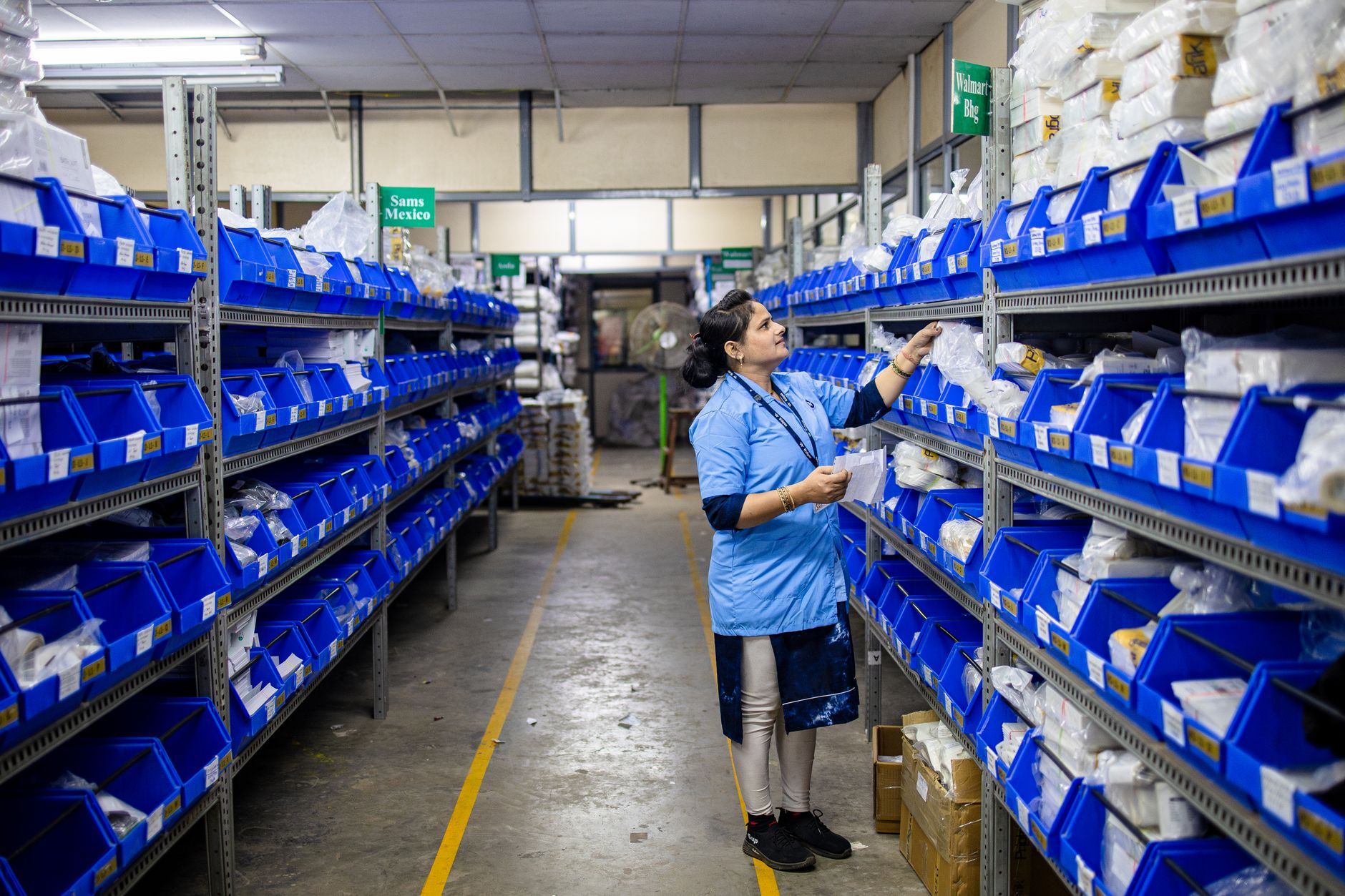
India supplier spending is a key focus for GE Aerospace, which aims to nearly double its investments in the country by 2030. This move reflects the company’s commitment to expanding its supply chain in India.
Overview of GE Aerospace’s Plans
GE Aerospace has outlined an ambitious plan to significantly increase its supplier spending in India, aiming to nearly double this investment by the year 2030. This initiative is part of a broader strategy to enhance its manufacturing footprint and supply chain capabilities in the region.
The company recognizes India as a critical component of its global supply chain, leveraging the country’s expertise in aerospace manufacturing and engineering. By focusing on India supplier spending, GE Aerospace intends to establish a more resilient supply chain while simultaneously supporting local economies and creating job opportunities.
Key elements of GE Aerospace’s strategy include:
- Investment in Local Partnerships: GE plans to collaborate with Indian suppliers to bolster their capabilities and ensure they meet global standards.
- Technology Transfer: By sharing advanced technologies and best practices, GE aims to enhance the skill set of the local workforce.
- Sustainability Initiatives: The company is committed to incorporating sustainable practices within its supply chain, aligning with global environmental goals.
- Innovation Hubs: Establishing centers focused on research and development to foster innovation within the Indian aerospace sector.
Overall, GE Aerospace’s focus on increasing India supplier spending reflects its commitment to long-term growth and collaboration in one of the world’s fastest-growing aerospace markets.
Importance of Supplier Spending
Supplier spending plays a crucial role in the overall strategy of GE Aerospace as it aims to enhance its operations in India. With the ambition to nearly double its India supplier spending by 2030, the company recognizes that investing in local suppliers not only strengthens its supply chain but also fosters economic growth within the region.
One of the primary reasons for this increased focus on supplier spending is the drive for innovation. By collaborating closely with Indian suppliers, GE Aerospace can leverage local expertise and resources, leading to the development of cutting-edge technologies that meet global standards. Furthermore, this strategy enhances the company’s adaptability to market demands and reduces lead times.
Additionally, the emphasis on local partnerships supports sustainability goals. GE Aerospace is committed to reducing its carbon footprint, and working with Indian suppliers can lead to more efficient production processes and resource utilization.
Moreover, investing in local suppliers creates job opportunities and helps build a skilled workforce in India. This not only benefits the economy but also ensures that GE Aerospace has access to a pool of talent that is critical for its long-term success.
In summary, the significance of supplier spending is evident in GE Aerospace’s strategic plans. The company’s commitment to increasing its India supplier spending aligns with its broader vision of innovation, sustainability, and economic development.
Impact on India’s Economy
The increase in India supplier spending by GE Aerospace is expected to have significant implications for the country’s economy. As the company aims to nearly double its investment in local suppliers by 2030, this strategy will foster a more robust industrial ecosystem.
By prioritizing local suppliers, GE Aerospace is likely to create numerous job opportunities across various sectors. This surge in demand for goods and services from Indian suppliers can lead to:
- Employment Growth: Increased supplier spending will require a larger workforce, benefiting both skilled and unskilled labor markets.
- Technology Transfer: Collaborations with local suppliers can facilitate knowledge sharing, enhancing the technological capabilities of Indian manufacturers.
- Boosting Small and Medium Enterprises (SMEs): Larger contracts from GE Aerospace could provide SMEs with the necessary capital and exposure to thrive.
- Export Opportunities: As local suppliers enhance their production capabilities, they may also find new markets beyond India, increasing national exports.
Moreover, this increased supplier spending aligns with India’s broader economic goals, which focus on self-reliance and boosting domestic manufacturing. By investing significantly in India supplier spending, GE Aerospace not only supports its own strategic objectives but also contributes to the overall growth and resilience of the Indian economy.
Future of Aerospace in India
The future of aerospace in India looks promising as GE Aerospace has set ambitious goals to enhance its supplier spending significantly. With plans to nearly double its investments by 2030, the company aims to position itself as a key player in the Indian aerospace sector. This strategy not only reflects GE Aerospace’s commitment to the region but also highlights the growing importance of India as a hub for aerospace manufacturing and innovation.
As India supplier spending increases, several factors will contribute to the sector’s growth:
- Technological Advancements: Continuous innovations in aerospace technology will pave the way for more efficient production processes, making India an attractive destination for global players.
- Skilled Workforce: India’s vast pool of engineering talent and skilled labor will play a critical role in meeting the demands of the aerospace industry.
- Government Initiatives: Supportive policies and initiatives by the Indian government, such as Make in India, are expected to foster a conducive environment for aerospace investments.
- Increased Demand: A rise in global air travel and defense requirements will drive demand for aerospace components, creating opportunities for suppliers in India.
As these elements come together, the outlook for aerospace in India is set to transform, making the country a vital player in the global aerospace supply chain.
Challenges in Supplier Relationships
The relationship between GE Aerospace and its suppliers in India faces several challenges that could impact the company’s ambitious plans for increased supplier spending. As GE Aerospace targets to nearly double its India supplier spending by 2030, it must navigate a complex landscape characterized by various factors.
First, there is the issue of communication. Effective communication is critical to ensuring that suppliers fully understand the expectations and requirements of GE Aerospace. Any miscommunication can lead to delays and increased costs, undermining the benefits of the enhanced spending.
Second, the variability in supplier capabilities presents another challenge. Not all suppliers have the same level of expertise or technological advancement, which can lead to inconsistencies in product quality. This requires GE Aerospace to invest time and resources in assessing and developing their suppliers to ensure they meet stringent standards.
Additionally, regulatory compliance in India can be a significant hurdle. Suppliers must adhere to various local regulations and international standards, which can complicate the procurement process. GE Aerospace will need to provide support and guidance to help suppliers navigate these complexities.
Finally, fostering long-term partnerships rather than transactional relationships will be essential. By building trust and collaboration, GE Aerospace can create a more resilient supply chain that aligns with its goal of increasing India supplier spending.
Investment Strategies for Growth
As GE Aerospace sets its sights on nearly doubling India supplier spending by 2030, investment strategies become crucial for sustainable growth. A well-structured approach to supplier collaboration can significantly enhance operational efficiencies and drive innovation.
One of the most effective strategies is to foster long-term partnerships with local suppliers. By establishing strong relationships, GE Aerospace can leverage local expertise and respond swiftly to market demands. This approach not only strengthens the supply chain but also contributes to building capabilities within the Indian aerospace sector.
- Leveraging Technology: Investing in advanced technologies, such as digital supply chain solutions, can streamline operations and improve transparency. Enhanced data analytics can aid in better forecasting and inventory management.
- Skill Development: Collaborating with educational institutions to develop training programs ensures that the workforce is well-equipped with the necessary skills. This investment in human capital is essential for the industry’s growth.
- Diversification of Suppliers: Building a diverse supplier base mitigates risks associated with over-reliance on a single source. This strategy not only enhances resilience but also opens avenues for innovation.
By implementing these strategies, GE Aerospace can optimize its India supplier spending, thus ensuring a robust supply chain that supports its ambitious growth targets while contributing to the broader economic landscape in the region.
Regional Development in India
As GE Aerospace looks to enhance its presence in India, the focus on regional development becomes paramount. The company aims to utilize the diverse capabilities of Indian suppliers to bolster its operations and fulfill its ambitious spending targets. By 2030, GE Aerospace plans to nearly double its supplier spending in India, which is expected to create a ripple effect across various sectors.
One of the key strategies involves fostering collaboration with local suppliers to tap into their innovative potential. This not only supports the growth of the aerospace sector but also encourages technological advancements and skill development within the region. The company’s commitment to supplier spending in India aligns with the government’s initiative to promote Make in India, which aims to enhance manufacturing and attract foreign investment.
Additionally, GE Aerospace is focusing on establishing long-term partnerships with suppliers who can provide competitive pricing, quality components, and timely deliveries. By investing in local supply chains, the company will mitigate risks associated with global sourcing and improve operational efficiency.
- Investment in Local Talent: Developing a skilled workforce through training and educational programs.
- Support for Innovation: Encouraging suppliers to innovate and improve their offerings.
- Infrastructure Development: Collaborating with state governments to enhance logistics and manufacturing capabilities.
In conclusion, GE Aerospace’s strategy for regional development in India is intrinsically linked to its supplier spending, fostering a robust aerospace ecosystem.
Conclusion and Outlook
In conclusion, GE Aerospace’s ambitious target to nearly double its supplier spending in India by 2030 represents a strategic pivot that could redefine the aerospace landscape in the region. This bold move not only underscores the company’s commitment to enhancing its supply chain but also highlights the significant opportunities that lie within the Indian market. By investing in local suppliers, GE Aerospace aims to strengthen its operational efficiencies while fostering innovation and growth in the aerospace sector.
The outlook for India supplier spending remains positive, as the government continues to support initiatives that encourage foreign investments and technological advancements. With a strong emphasis on self-reliance and the “Make in India” campaign, the Indian aerospace industry is poised for substantial growth. As local suppliers benefit from increased spending, they will likely enhance their capabilities, ultimately contributing to a more robust aerospace ecosystem.
Furthermore, successful collaborations between GE Aerospace and Indian suppliers can lead to the development of cutting-edge technologies and competitive advantages on a global scale. However, it is essential for both parties to nurture their relationships, addressing challenges and aligning their goals effectively. As the aerospace industry evolves, strategic supplier partnerships will be vital for sustaining growth and ensuring that India remains a competitive player in the global aerospace market.
In summary, GE Aerospace’s investment strategy will pave the way for a thriving aerospace sector in India, benefitting not only the company but the nation’s economy as a whole.
India supplier spending has become a focal point for companies looking to optimize their supply chain efficiency. Implementing a robust strategy for managing India supplier spending can lead to significant cost savings and improved operational performance for GE Aerospace.
Photo by EqualStock IN on Pexels
Where this came from
Related reading
Control of internet: The real battle in Iran’s digital fight · AI Trends Report: Best Insights for Smart Business Strategies · Scorpio horoscope today: Quick insights for October 12, 2026
[…] India supplier spending: Best Proven strategy for GE Aerospace […]