
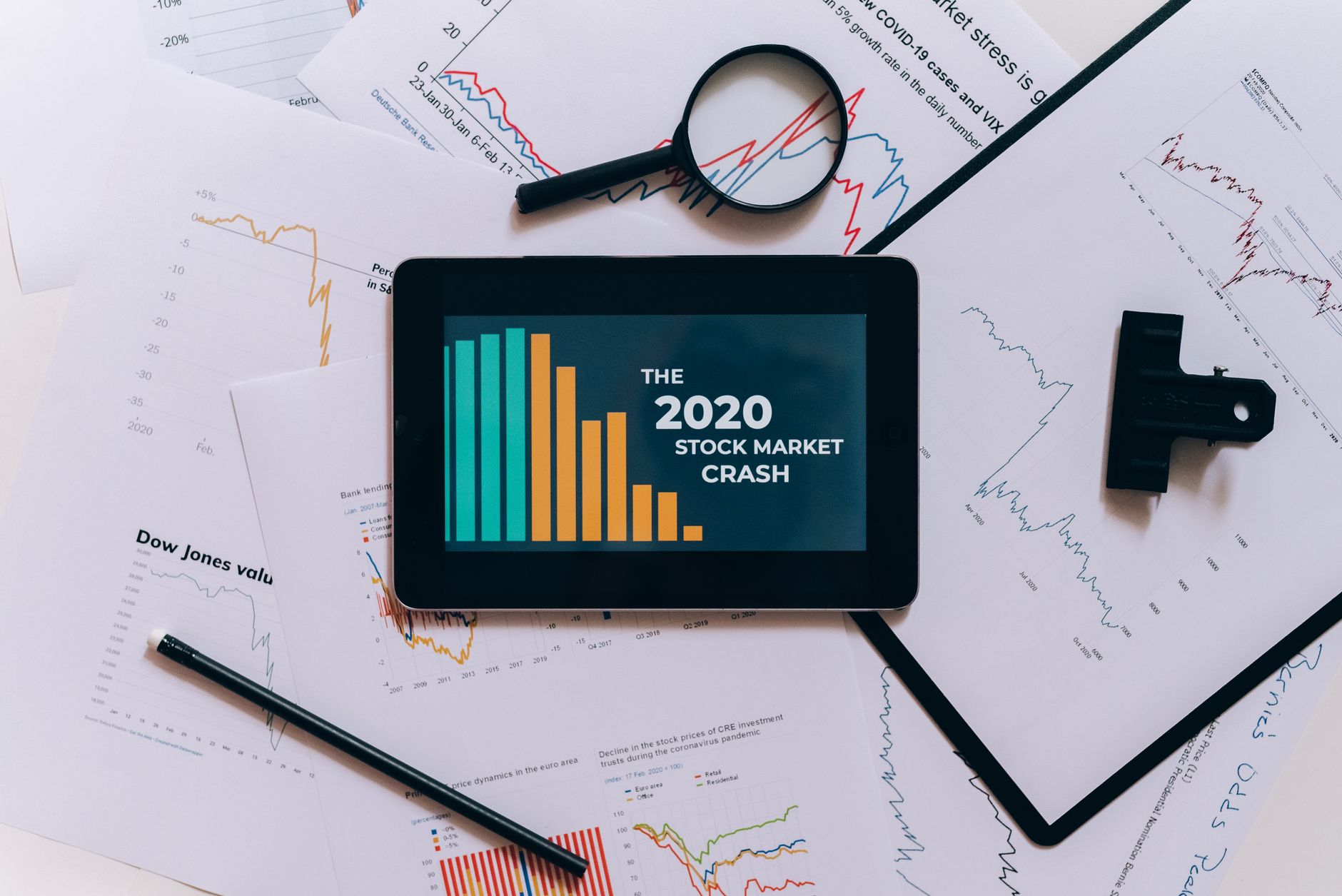
economic crisis in India is at the forefront of discussions as Rahul Gandhi highlights the issue during his US visit. This has sparked a heated response from the BJP.
Rahul Gandhi’s concerns during US visit
During his recent visit to the United States, Congress leader Rahul Gandhi raised alarms about the ongoing economic crisis in India, describing the situation as dire and urging the international community to pay attention. He emphasized that the crisis is not merely an economic issue but one that significantly impacts the daily lives of ordinary citizens.
In his statements, Gandhi highlighted several key concerns:
- Rising Unemployment: He pointed out that job opportunities are shrinking, leaving many without means to support their families.
- Inflation Rates: The cost of living has surged, making it increasingly difficult for citizens to afford basic necessities.
- Social Disparities: The crisis has disproportionately affected the marginalized, exacerbating existing inequalities.
Gandhi’s remarks were met with backlash from BJP leaders, who accused him of spreading fear without offering solutions. Nevertheless, his visit aimed to shed light on the pressing issues facing India today.
BJP’s response to economic claims
In response to the allegations surrounding the economic crisis in India, the Bharatiya Janata Party (BJP) has firmly rejected Rahul Gandhi’s claims. Party spokespersons emphasized the government’s achievements in stabilizing the economy, arguing that the current situation is a result of global economic challenges rather than domestic failures.
They pointed to several key initiatives undertaken by the government, including:
- Infrastructure Development: Significant investments have been made to enhance transportation and connectivity.
- Employment Generation: The BJP highlighted job creation programs aimed at tackling unemployment rates.
- Social Welfare Schemes: Initiatives to support the vulnerable populations have been expanded.
In a press conference, a senior BJP leader stated, “We are on a path of recovery, and it’s important to focus on our progress rather than exaggerate the narrative of an economic crisis in India.” The party remains confident that their policies will lead to sustainable growth.
Impact of economic crisis on citizens
The ongoing economic crisis in India has led to severe repercussions for its citizens, with many struggling to cope with rising living costs and shrinking job opportunities. The situation has been exacerbated by inflation, which has hit essential goods hard, making it challenging for families to meet their daily needs.
Many citizens have reported a decrease in their purchasing power, leading to a shift in spending habits. They are now prioritizing basic necessities over discretionary items. This has resulted in a ripple effect on local businesses, which are witnessing a drop in sales.
Additionally, the crisis has disproportionately affected vulnerable populations, including low-income families and daily wage workers. Unemployment rates have surged, pushing many into precarious financial situations.
As the economic landscape continues to evolve, citizens are calling for urgent government intervention to address these pressing issues. The resilience of the populace is being tested, and many are hoping for effective measures to alleviate the burdens caused by the ongoing economic turmoil.
Historical context of India’s economy
The economic crisis in India has deep roots that can be traced back to various historical events and policy decisions. Over the decades, India has witnessed significant shifts in its economic landscape, particularly following the liberalization reforms of 1991. These reforms aimed to open up the economy, but they also led to increased inequalities and vulnerabilities.
In the years that followed, economic growth was often accompanied by social unrest, with various segments of the population feeling left behind. The global financial crisis of 2008 further exacerbated existing issues, highlighting the fragility of India’s economic structures.
Subsequent governments have grappled with challenges such as inflation, unemployment, and agricultural distress, which have only intensified in recent years. As the nation faces the current economic crisis, it is essential to understand how past decisions and historical context have shaped this situation, ultimately affecting the daily lives of millions of citizens.
Public reaction to political statements
Public reaction to the recent political statements regarding the economic crisis in India has been overwhelmingly critical. Many citizens express frustration over the perceived disconnect between political leaders and the realities faced by everyday people.
Social media has become a platform for citizens to voice their concerns, with hashtags like #EconomicCrisisInIndia trending across various platforms. Users are sharing personal stories of job losses, rising costs of living, and dwindling savings, emphasizing the urgent need for effective solutions.
Additionally, numerous protests have erupted in urban areas, where citizens demand accountability and transparency from their leaders. “We want actions, not words,” stated one protestor, highlighting the sentiment that political statements are insufficient in the face of such dire economic challenges.
Analysts believe that if the government fails to address these mounting concerns, public discontent could escalate further, leading to significant political ramifications in the upcoming elections.
Future implications for Indian economy
The ongoing economic crisis in India raises significant concerns about the future implications for the nation’s economy. Experts warn that if the current trends continue, the repercussions could be severe, affecting various sectors and the livelihood of millions.
Key projections indicate that the economic crisis may lead to:
- Increased unemployment: As businesses struggle to stay afloat, job losses are likely to mount, further straining household incomes.
- Inflationary pressures: Rising prices of essential goods and services could worsen, impacting the purchasing power of citizens.
- Investment slowdown: A lack of confidence among investors may result in decreased foreign and domestic investments, stunting economic growth.
- Social unrest: Growing discontent among the populace could lead to protests and unrest, challenging governmental stability.
In conclusion, the future of India’s economy hangs in the balance, as the effects of the economic crisis are likely to linger and shape the nation’s trajectory for years to come.
Comparative analysis with global economies
The economic crisis in India has drawn attention to its comparative standing against other global economies. While many nations grapple with inflation and recession, India’s challenges appear distinct due to its unique socio-economic fabric.
Key comparisons highlight the following:
- Growth Rates: India’s GDP growth has slowed significantly, contrasting with countries like the United States and China, which have shown resilience despite global pressures.
- Employment Levels: Unemployment rates in India have surged, with many citizens facing job losses, unlike in several developed economies where job recovery is underway.
- Inflation Trends: Inflation in India has reached alarming levels, affecting purchasing power, while other nations have managed to stabilize their prices through effective monetary policies.
As the economic crisis in India deepens, the implications for ordinary citizens become increasingly severe, prompting global observers to question the country’s economic strategies and recovery potential.
Expert opinions on economic recovery
Experts have weighed in on the ongoing economic crisis in India, highlighting the urgent need for strategic reforms to mitigate its effects on citizens. Dr. Anjali Mehta, an economist, emphasized the importance of investing in infrastructure and technology to stimulate growth. She noted, “Without a robust framework, the economic crisis in India will only deepen, affecting millions.”
In contrast, Professor Rajesh Kumar warned against hasty government interventions that may lead to further instability. “We need a balanced approach that prioritizes both recovery and sustainability,” he stated.
Additionally, Dr. Neela Sharma pointed out the role of small businesses in economic recovery, suggesting that targeted support for these enterprises could mitigate job losses. “Empowering local economies is crucial during this challenging time,” she added.
In summary, while experts agree on the severity of the situation, they advocate for a multifaceted approach to recovery, emphasizing collaboration between government, businesses, and citizens to navigate the current crisis.
Photo by Leeloo The First on Pexels
Where this came from
- Trump Officials Air Travel Funding: The Real Cost Revealed
- Steroidal and Nonsteroidal MRAs: The Right Choice for You
- Margin Requirements India: Clear Changes for Traders
[…] Economic crisis in India: Worst impact on citizens revealed […]