
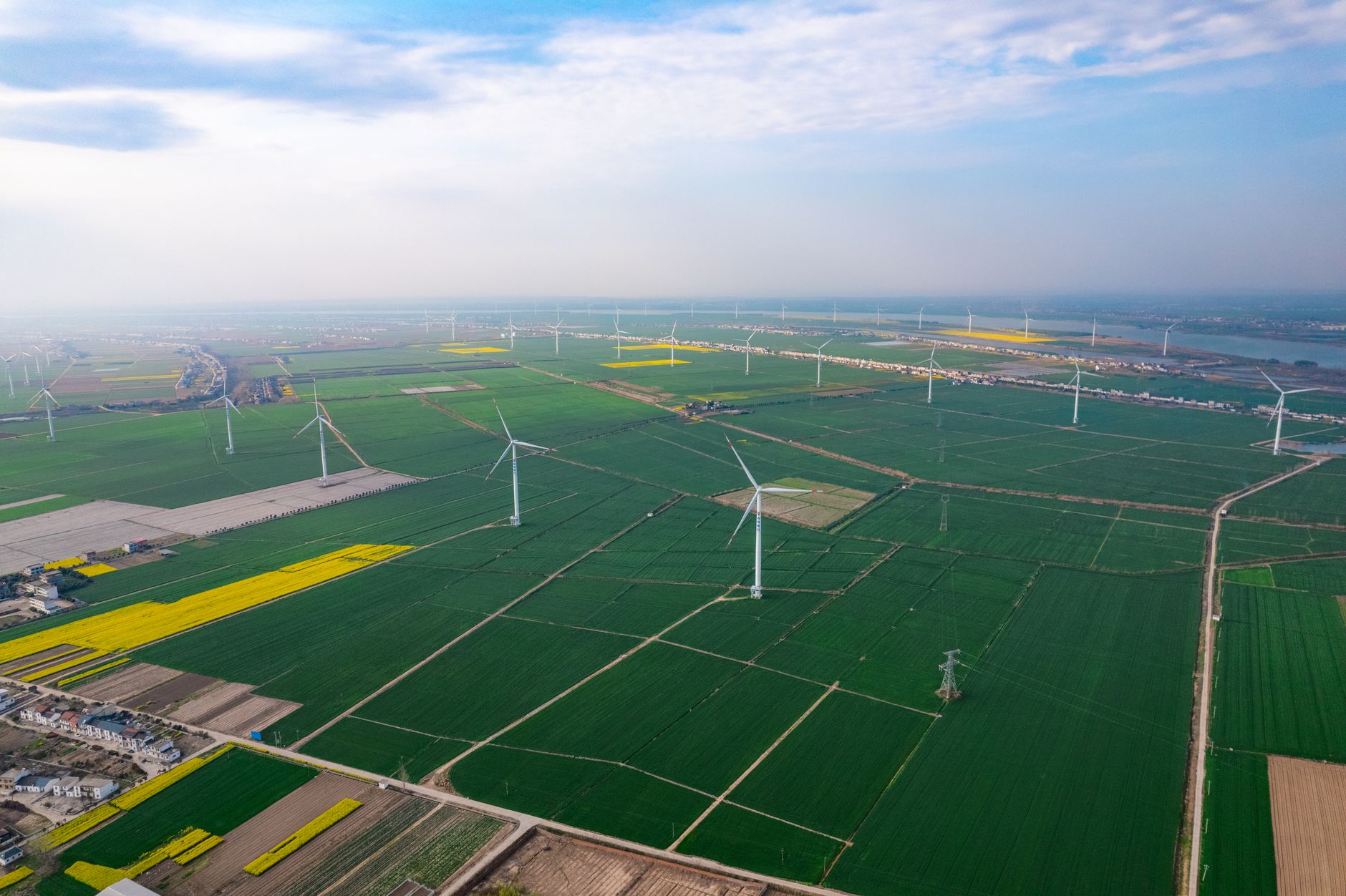
China green energy leadership is highlighted by John Kerry as essential for global progress. He urges the US and other nations to adopt similar strategies for a sustainable future.
The Importance of Green Energy
The transition to green energy is not just a matter of environmental responsibility; it is a crucial economic strategy for the future. As countries grapple with the impacts of climate change, the importance of adopting sustainable energy sources has never been clearer. The global shift toward green energy is essential for reducing greenhouse gas emissions and fostering energy independence.
China’s commitment to renewable energy offers a proven path forward for others to follow. The country has emerged as a leader in green technology, investing heavily in solar, wind, and hydroelectric power. This leadership is evident in several key areas:
- Investment in Infrastructure: China has built the largest solar panel and wind turbine manufacturing sectors, significantly lowering costs and increasing accessibility.
- Policy Support: The Chinese government has implemented policies that promote renewable energy adoption, making it easier for businesses and consumers to transition away from fossil fuels.
- Innovation: With ongoing research and development, China is at the forefront of energy storage solutions and smart grid technology, which are critical for the future of energy distribution.
By embracing these strategies, China showcases how a nation can achieve economic growth while leading the world in green energy leadership. The global community must take note and follow suit to ensure a sustainable future for generations to come.
John Kerry’s Vision for Sustainability
In recent discussions, John Kerry emphasized the need for global collaboration in addressing climate change, highlighting China’s green energy leadership as a model for other nations. Kerry stated that the United States and the rest of the world must take cues from China’s substantial investments in renewable energy technologies.
“China has made remarkable strides in solar and wind energy,” Kerry noted, underscoring the country’s commitment to reducing carbon emissions. He pointed out that China is not only the world’s largest producer of solar panels but also a significant player in wind energy production.
In his address, Kerry outlined several key areas where the world can learn from China’s approach:
- Investment in Research and Development: A focus on innovation has enabled rapid advancements in green technologies.
- Government Support: Strong policies and incentives have fostered a favorable environment for green energy growth.
- Public-Private Partnerships: Collaboration between government and industry has accelerated the deployment of renewable energy solutions.
By adopting similar strategies, Kerry believes that countries can significantly reduce their carbon footprints and transition to sustainable energy sources. He reiterated that embracing China’s green energy leadership is essential for achieving global climate goals and fostering a more sustainable future for all.
How China Leads in Renewable Energy
China is establishing itself as a global leader in renewable energy, showcasing a model that many countries are now looking to emulate. With its ambitious goals and substantial investments, China green energy leadership has become a focal point for discussions on sustainable practices worldwide.
The nation has made significant strides in several key areas:
- Solar Energy: China dominates the solar panel manufacturing industry, producing over 70% of the world’s supply. This commitment has allowed it to lead in solar energy deployment, with vast solar farms becoming a common sight.
- Wind Power: As the largest producer of wind energy globally, China has invested heavily in both onshore and offshore wind farms, contributing to its green energy goals while also creating thousands of jobs.
- Electric Vehicles: China is the largest market for electric vehicles (EVs), with a strong push toward increasing EV production and adoption. Government incentives have further accelerated this transition, making EVs more accessible to the public.
- Research and Development: The Chinese government has prioritized investment in green technologies, focusing on innovation in energy storage and smart grid technologies that are essential for integrating renewable sources.
As other nations strive to achieve their sustainability targets, they are looking closely at China’s successful strategies in renewable energy, recognizing the potential for collaboration and knowledge sharing.
Global Impact of China’s Green Policies
The global impact of China’s green policies is becoming increasingly evident as countries around the world observe and adapt to its successful strategies in renewable energy. As the largest producer of solar panels and wind turbines, China has set an ambitious example for others to follow, showcasing how large-scale investments in green technology can lead to significant economic and environmental benefits.
China’s commitment to reducing carbon emissions has not only transformed its own energy landscape but has also inspired other nations to rethink their energy policies. The rapid expansion of its renewable energy sector has resulted in a decrease in coal dependence and a shift towards sustainable solutions. This transition is crucial as global leaders recognize the urgent need for action against climate change.
Key factors contributing to the effectiveness of China’s green energy leadership include:
- Government Policies: Strong governmental support and investment in green technology development.
- Innovation: Rapid advancements in technology that reduce costs and improve efficiency.
- Global Collaboration: Partnerships with other countries to share knowledge and resources in the green energy sector.
As highlighted by John Kerry, the world must look to China’s green energy leadership as a model to implement sustainable practices and fight climate change effectively. By learning from China’s initiatives, other nations can foster their own paths toward a greener future.
Challenges Faced by Other Nations
As nations around the globe strive to emulate China’s green energy leadership, they face several significant challenges that may hinder their progress. These difficulties not only affect the development of renewable energy sources but also impact broader sustainability goals.
- Infrastructure Investment: Many countries lack the necessary infrastructure to support large-scale renewable energy projects. Unlike China, which has invested heavily in solar and wind technologies, other nations may struggle to secure the funding and resources needed to initiate similar programs.
- Policy and Regulatory Framework: Effective policies are crucial for fostering an environment conducive to green energy development. Countries with inconsistent regulations or those lacking strong government support may find it challenging to attract investment in renewable technologies.
- Technological Advancements: China has made significant strides in research and development, leading to innovations in energy efficiency and renewable energy production. Other nations may lag behind due to limited access to advanced technologies or insufficient research funding.
- Public Awareness and Engagement: Promoting green energy initiatives requires public support and awareness. In many regions, misconceptions about renewable energy and its benefits can impede progress, making it essential for governments to engage with communities effectively.
In conclusion, while China’s path to green energy leadership serves as a model, other nations must address these challenges to advance their sustainability efforts successfully.
The Future of Energy Innovation
The future of energy innovation is increasingly intertwined with the advancements made in green technologies, particularly as countries look to China for inspiration. As the world grapples with climate change, the necessity for sustainable energy solutions becomes ever more pressing. China’s green energy leadership showcases a proven path forward, demonstrating how large-scale investments and government initiatives can drive significant progress.
In recent years, China has emerged as a global leader in renewable energy production, primarily through:
- Solar Power: With the largest solar panel manufacturing capacity in the world, China has made solar energy more accessible and affordable.
- Wind Energy: The country leads in wind energy installations, harnessing powerful natural resources to generate electricity.
- Electric Vehicles: China is at the forefront of electric vehicle technology, encouraging a shift away from fossil fuels.
These innovations not only contribute to reducing carbon emissions but also create economic opportunities. As China continues to prioritize green energy, other nations can learn valuable lessons from its approach. Adopting similar strategies could accelerate the global transition to sustainable energy, ultimately benefiting the planet and future generations. Thus, the world stands at a crossroads, with the potential to follow in the footsteps of China’s green energy leadership and forge a sustainable path ahead.
Lessons from China’s Energy Transition
China’s green energy leadership offers valuable lessons for nations striving to transition to sustainable energy sources. As the world’s largest producer of renewable energy, China has demonstrated that a comprehensive approach can yield significant results in reducing carbon emissions and promoting sustainability.
One crucial lesson is the importance of government commitment. China’s national policies prioritize green energy development, with significant investments in solar, wind, and hydroelectric power. This centralized approach allows for rapid implementation of large-scale projects, which is often challenging for countries with more fragmented political systems.
Moreover, China’s emphasis on innovation and technology advancement plays a vital role. The nation has become a global leader in manufacturing solar panels and wind turbines, driving down costs through economies of scale. This focus on technological development not only supports domestic growth but also positions China as a key player in the global energy market.
Additionally, collaboration between the public and private sectors enhances progress. By fostering partnerships that align with national energy goals, China effectively mobilizes resources and expertise. This model can serve as a blueprint for other countries looking to accelerate their own energy transitions.
In conclusion, by observing China’s green energy leadership, other nations can extract valuable insights into the necessary policies, innovation strategies, and collaborative efforts required to achieve a sustainable energy future.
Why the World Should Follow China
The global community finds itself at a critical juncture in the fight against climate change, and there is a compelling case for why the world should follow China’s example in green energy leadership. As nations grapple with the urgent need for sustainable solutions, China’s ambitious initiatives in renewable energy provide a proven path forward.
China has demonstrated that large-scale investments in green technology can yield significant benefits, not only for the environment but also for economic growth. The country has become the world’s largest producer of solar panels and wind turbines, showcasing its commitment to reducing carbon emissions. This strategic focus on clean energy has positioned China as a leader in innovation, providing a template for other nations to emulate.
Moreover, China’s collaborative approach to international partnerships in green energy further underscores its leadership role. By sharing technology and expertise, China is fostering a global shift towards sustainability. Countries around the world can learn from China’s integrated policies that align economic development with environmental stewardship.
In essence, following China’s green energy leadership offers other nations a valuable opportunity to embrace a sustainable future. It is imperative for the international community to recognize the importance of collective action and leverage the lessons learned from China’s energy transition to accelerate progress in their own green initiatives.
China green energy leadership has set a benchmark for sustainable practices worldwide, showcasing innovative technologies and policies. As nations look to combat climate change, they can draw valuable lessons from China’s green energy leadership.
Photo by jason hu on Pexels
References
- Is the Billionaire Tax Rejection the Right Move for California?
- Pentagon briefing news: Clear insights on impeachment vote
- Dyson Hot+Cool HF1: Best Features and Price Revealed
[…] China Green Energy Leadership: A Proven Path Forward […]