
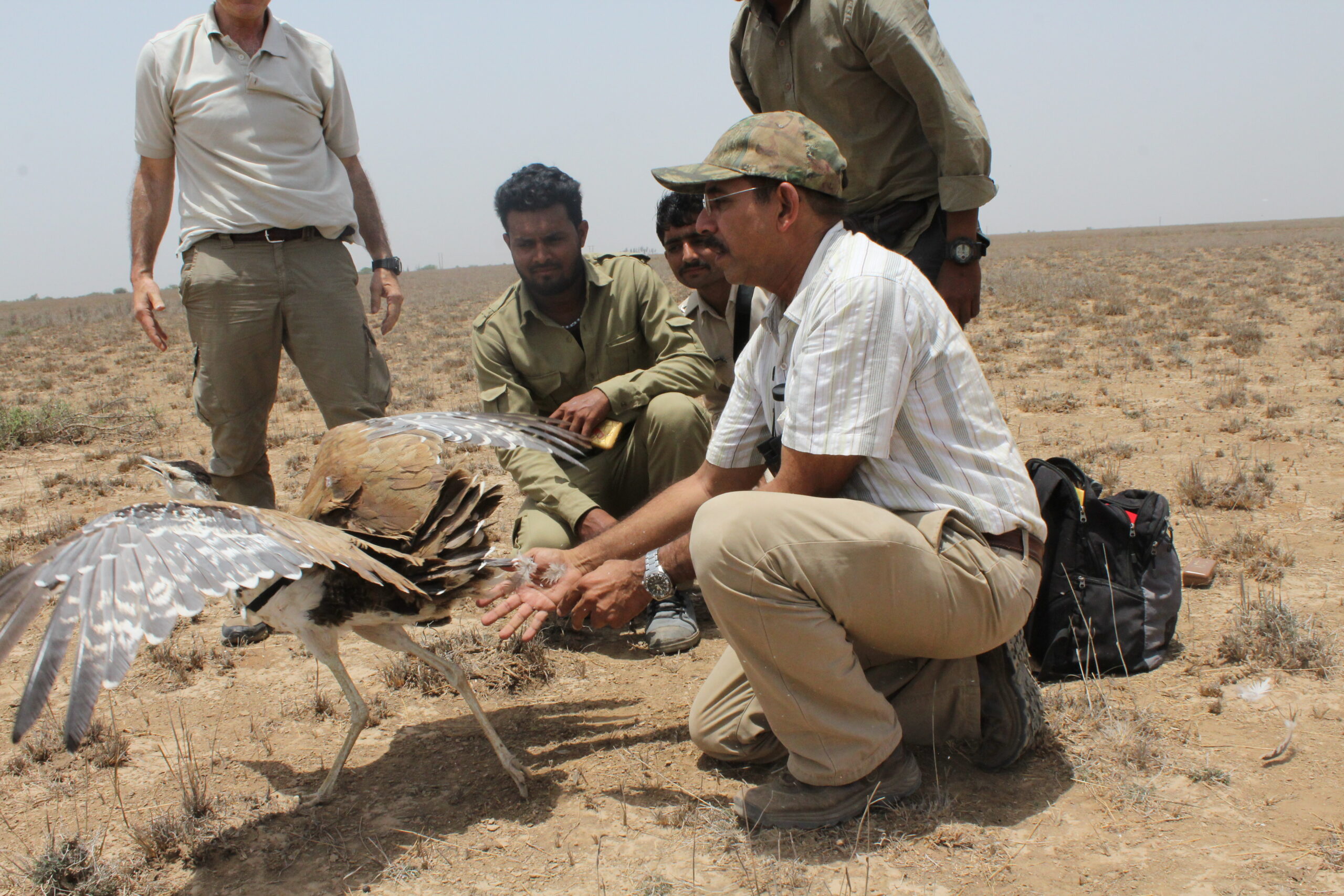
Great Indian Bustards release took place recently in Jaisalmer, showcasing a dedicated effort towards the conservation of this endangered bird species.
Overview of the Great Indian Bustard
The Great Indian Bustard, an iconic bird native to the Indian subcontinent, is critically endangered due to habitat loss, hunting, and other human activities. This large bird, known for its impressive size and striking plumage, plays a vital role in the ecosystem of grassland habitats.
Recent efforts to conserve the Great Indian Bustard have included breeding programs aimed at increasing their population in the wild. One such significant event occurred when Union Minister Bhupender Yadav released two captive-bred Great Indian Bustards in Jaisalmer, Rajasthan. This release marks a hopeful step towards revitalizing the dwindling numbers of this majestic bird.
The Great Indian Bustard is recognized for its unique behavior and lifestyle, which include:
- Diet: Primarily herbivorous, feeding on grass seeds, insects, and small reptiles.
- Breeding: Mating rituals involve elaborate displays that attract potential partners.
- Habitat: Prefers open grasslands and scrublands, making them vulnerable to changes in land use.
The Great Indian Bustards release is part of a broader conservation effort, highlighting the importance of protecting this species for future generations.
Importance of Conservation Efforts
The release of the Great Indian Bustards marks a significant milestone in the ongoing conservation efforts in India. These majestic birds, once abundant across the Indian subcontinent, have faced severe threats due to habitat loss, hunting, and human encroachment. Their dwindling numbers have highlighted the urgent need for focused conservation strategies.
Conservation efforts are crucial not only for the survival of the Great Indian Bustard but also for the preservation of the entire ecosystem they inhabit. By protecting these birds, we are also safeguarding the unique grassland habitats that support diverse flora and fauna. The release of captive-bred Great Indian Bustards is a testament to the success of these initiatives, showcasing a collaborative approach involving government bodies, wildlife organizations, and local communities.
- Raising Awareness: Conservation efforts help educate the public about the importance of biodiversity.
- Community Involvement: Engaging local communities fosters a sense of ownership and responsibility.
- Research and Monitoring: Ongoing studies inform future conservation strategies and habitat management.
The Great Indian Bustards release is a beacon of hope, inspiring further actions towards the conservation of endangered species in India.
Great Indian Bustards Release in Jaisalmer
The recent release of two captive-bred Great Indian Bustards marks a significant milestone in conservation efforts aimed at preserving this critically endangered species. The event took place in Jaisalmer, Rajasthan, where Union Minister Bhupender Yadav officiated the release, highlighting the nation’s commitment to wildlife preservation.
These remarkable birds, once abundant across the Indian subcontinent, have seen their numbers dwindle due to habitat loss and poaching. With only a few hundred individuals remaining in the wild, initiatives like the Great Indian Bustards release are crucial for their survival.
During the release ceremony, Minister Yadav emphasized the role of local communities in supporting conservation projects. He stated that protecting the Great Indian Bustard is not just a matter of wildlife conservation but also an effort to sustain biodiversity and ecological balance in the region.
The initiative is part of a broader effort to restore habitats and increase public awareness about the importance of preserving this iconic bird. Conservationists remain hopeful that such releases will contribute positively to the population recovery of the Great Indian Bustard in the wild.
Role of Bhupender Yadav in Wildlife Protection
Union Minister Bhupender Yadav has been a pivotal figure in the conservation of wildlife in India, particularly in the efforts surrounding the Great Indian Bustards release. His commitment to environmental preservation is evident through various initiatives aimed at protecting endangered species and their habitats.
As part of his role, Yadav has emphasized the importance of collaboration between government bodies, NGOs, and local communities. He believes that engaging local populations in conservation efforts is crucial for the sustainability of wildlife projects. Under his guidance, significant resources have been allocated to protect the Great Indian Bustard, which is facing severe threats from habitat loss and poaching.
Yadav’s advocacy for stricter laws and regulations has also played a key role in enhancing wildlife protection measures across the country. His leadership has inspired many conservationists and has raised awareness about the plight of the Great Indian Bustard.
Ultimately, Bhupender Yadav’s efforts underscore the government’s commitment to preserving biodiversity and ensuring that future generations can enjoy India’s rich natural heritage.
Challenges Facing Great Indian Bustards
The conservation of the Great Indian Bustard faces several significant challenges that hinder the success of the Great Indian Bustards release initiative. These challenges include:
- Habitat Loss: Urbanization and agricultural expansion have led to a drastic reduction in the natural habitat of the Great Indian Bustard, making it difficult for the species to thrive.
- Human-Wildlife Conflict: As human activities encroach upon their territory, conflicts arise, often resulting in injury or death for these birds.
- Poaching: Despite protective laws, poaching remains a threat, driven by the illegal wildlife trade and demand for exotic species.
- Climate Change: Changing weather patterns and extreme temperatures affect the availability of food and nesting sites, further endangering their survival.
- Limited Public Awareness: Many people remain unaware of the plight of the Great Indian Bustard, which can hinder conservation efforts and community engagement.
Addressing these challenges is essential for ensuring the long-term success of the Great Indian Bustards release and the overall survival of this iconic species in the wild.
Future of Conservation in India
The future of conservation in India hinges on innovative approaches and collaborative efforts to protect endangered species like the Great Indian Bustard. The recent Great Indian Bustards release in Jaisalmer marks a significant step forward in these initiatives. This event not only highlights the commitment of the government but also emphasizes the role of local communities and conservationists.
To ensure the survival of the Great Indian Bustard, ongoing efforts must focus on:
- Habitat Restoration: Restoring grassland ecosystems is crucial for providing a suitable environment for these birds.
- Community Engagement: Involving local populations in conservation efforts fosters a sense of ownership and responsibility towards wildlife.
- Research and Monitoring: Continuous research is needed to track the health and movements of the released Bustards, ensuring their adaptation to the wild.
- Legislative Support: Strengthening laws and policies protecting endangered species can enhance conservation outcomes.
The successful release of the Great Indian Bustards is a beacon of hope, showing that with dedicated efforts, it is possible to reverse the tide of extinction and promote biodiversity in India.
The success of the Great Indian Bustards release has sparked hope among conservationists and wildlife enthusiasts alike. Ongoing efforts to protect their habitat are crucial to ensure the sustainability of the Great Indian Bustards release program.
By Wildliferesearcher via Openverse
References
You might also like
Christa Pike ventilator: Worst outcome after failed execution · TTP militants killed: What Are the Real Implications? · Falcon Heavy rocket launch: Proven success for US mission
[…] Great Indian Bustards Release: A Proven Conservation Effort […]